Why China Remains the Priority Market for Premium Brands
China's appetite for imported premium goods is one of the defining commercial opportunities of this decade. The market for international wine, spirits, artisan food, cosmetics, and luxury goods continues to grow — driven by an expanding affluent urban class with strong preferences for authenticated foreign brands.
For brands in wine and spirits, China represents average transaction values and reorder volumes that simply don't exist at the same scale in European or American markets. A single well-placed distributor in Shanghai or Shenzhen can generate annual orders that rival an entire Western European territory.
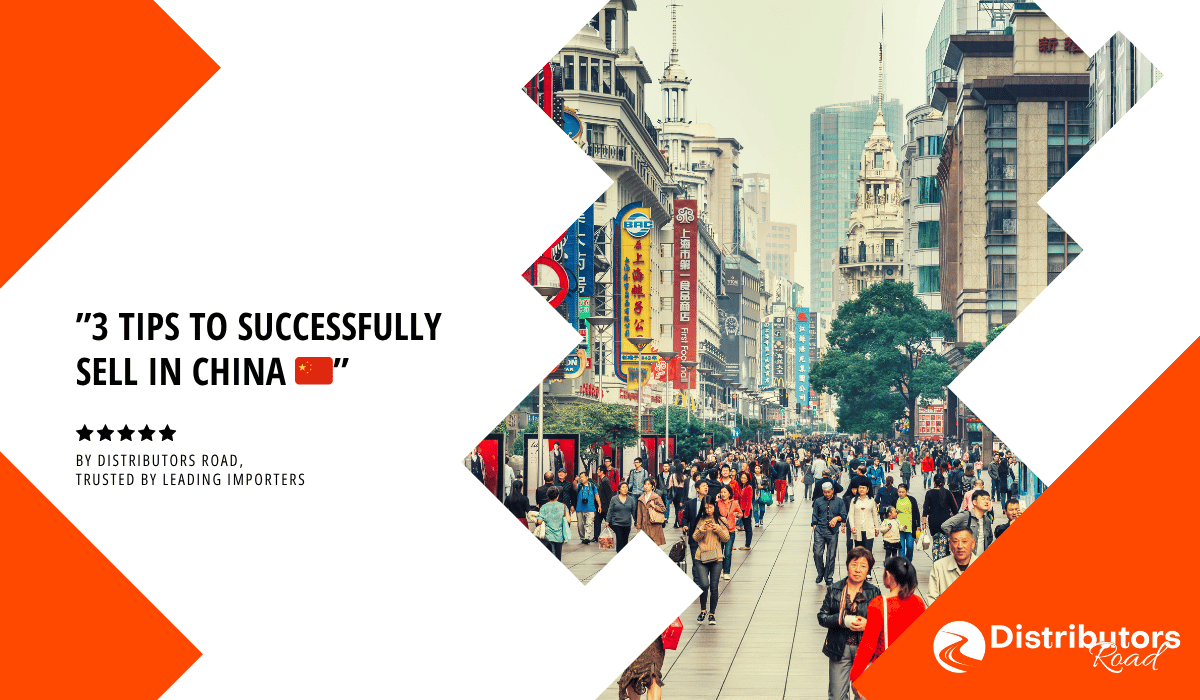
The challenge is not the market — it's the approach. Most brands that fail in China make the same three mistakes. Here's how to avoid them.
Tip 1: Build a Real Sales Force on the Ground in China
Regardless of your product category — wine, spirits, food, cosmetics, or luxury goods — human interaction is the non-negotiable foundation of sales in China. Trust (guanxi) is built face-to-face, and it takes time.
This means committing to physical sales activity in China: trade show presence, direct meetings with importers and distributors, and business tours across Tier 1 and Tier 2 cities. The more qualified sales meetings your team conducts each year, the more you sell. This relationship is linear and consistent.
The mistake most international brands make is treating China as a market you can develop remotely. You cannot. Buyers who can't put a face to your brand don't trust your brand. And in China, trust is the purchase decision.
We have boots on the ground in China. Let's see if your brand is the right fit for our network.
Find Distributors →Tip 2: Chinese Salespeople Deliver Dramatically Better Results
This is the most underestimated factor in China market entry, and the one that most foreign brands overlook. Chinese buyers — whether importers, distributors, or on-premise buyers in hotels and restaurants — trust Chinese salespeople more readily. Not marginally more. Dramatically more.
This holds true across price points and product categories: from entry-level wines to ultra-premium spirits, from artisan food to luxury cosmetics. The cultural alignment, language fluency, and shared commercial norms between a local salesperson and a local buyer create a conversion dynamic that no foreign salesperson can replicate.
At Distributors Road, our Chinese operations are run by Chinese sales professionals, based in China year-round, with deep knowledge of regional buying behavior, the key players in each city, and the cultural nuances that determine how a brand is received. This is the single biggest driver of our conversion rates in the Chinese market.
Tip 3: Master the Chinese Digital Ecosystem
Chinese social media has nothing in common with Western platforms. Instagram, Facebook, LinkedIn, and TikTok are either blocked or irrelevant for building brand credibility with Chinese importers and consumers.
The platforms that matter are WeChat (essential for professional communication and mini-programs), Xiaohongshu — also known as Little Red Book — which drives premium consumer discovery, Douyin (the Chinese TikTok, increasingly important for F&B brand awareness), and Weibo for broader market visibility.
A dedicated Chinese social media strategy isn't optional. Without it, your brand is invisible to the very buyers your salespeople are meeting — because those buyers will check your brand online before and after every meeting. A strong local presence confirms legitimacy, demonstrates investment in the market, and accelerates the trust-building that drives purchase decisions.
Combined with active in-person sales, brands with a proper Chinese digital strategy consistently see their first meaningful distributor relationships established within six to twelve months — with annual revenue potential ranging from €100,000 to over €1,000,000 in year one for well-positioned products.
What to Expect: Revenue Benchmarks for Year One in China
Based on our experience launching brands across multiple categories in China, the realistic year-one range for a well-executed entry — with active field sales, local salespeople, and a digital presence — is €100,000 to €500,000 in distributor-level revenue. Brands with exceptional positioning, strong storytelling, and competitive pricing can exceed this.
The key variable is not the product quality. It's the commercial infrastructure behind it. Brands that invest properly in the first year establish foundations that generate compounding returns through year three and beyond, as distributor relationships mature and reorder cycles stabilize.
How Distributors Road Operates in the Chinese Market
Our China operation combines all three elements: a dedicated team of Chinese-speaking sales professionals conducting in-person meetings across the country, established relationships with major importers and distributors in key cities, and a digital presence management service for brands that want to build local brand visibility alongside field sales activity.
We don't approach China as a side market. It's one of our core territories, and it's where some of our most compelling client results have been achieved.